
Restaurant,
Cafe, Coffee Shop, Catering, Soto Mie, Ba’so etc. |
|
|
|
|
|
|
Masakan Padang, Sunda&Jawa | Catering | Mie&Ba'so | Soto dan Sup | NasiUduk | BuburAyam | Burger | Steak&Sate | CoffeeShop&Cafe | Pizza&Pasta | JajanPasar | |
|
Silahkan
Pilih: Masakan Padang,
Sunda&Jawa | Catering |
Mie&Ba'so | Soto dan Sup |
NasiUduk | BuburAyam | Burger | Steak&Sate | CoffeeShop&Cafe | Pizza&Pasta |
JajanPasar |
|
 |
my
favorite Laksa
Bangka |
 |
| my favorite Soto Mie Betawi Bang Ali Jl. Tebet Barat 8 No. 33, Telp. 8350169,Email none Website none. Soto Mie Betawi Special, betul betul rasa Betawi Asli. |  |
| my favorite Martabak Bangka Manis Special, Kios Tomang Cakwe , Jl. Tebet Barat Dalam Raya, Apin HP 085216895822, Cakwe, Martabak Bangka Rasa Keju, Kacang, Coklat, Martabak Telor & Daging, Pisang Gepeng, Onde-Onde, Aneka Kue etc. |  |
| my
favorite Mie Ayam Bangka © ASAN,
Jl. Tebet Barat Dalam Raya, Seberang Money Changer PitiPili, Asan
0816706057. Sedia Mie ayam, Bihun,
Kuetiaw, Mie Besar, Pangsit, Bakso Daging, Bakso Ikan, Otak Otak,
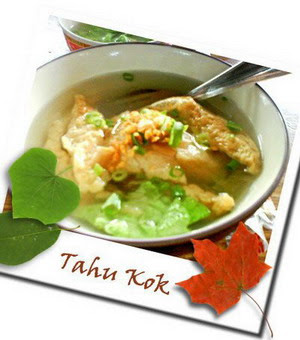
Tahu Kok etc. Akiong Pasar Modern BSD City K 253, Pintu Utara, 0816 1104 718. |
 |
| my
favorite Otak Otak Petak 15 © MIFONG,
Jl. Yos Sudarso Petak 15 No 37, Mentok Bangka, Tel 0716-21041. Sedia Mie Ayam, Bihun, Kuetiaw, Mie Besar, Pangsit, Bakso Daging, Bakso Ikan, Otak Otak, Tahu Kok, Nasi Goreng etc. Jakarta, BSD, Telp. 021-5384639, HP 081373039643. |
 |
| RADJA KETJIL CITA RASA PERANAKAN Jl Tebet Barat Dalam Raya No. 19, Jakarta Selatan, Tel 021-83703227, 83703236, melayani Delivery Services. Sebuah Rumah Makan dengan suasana vintage peranakan yang menyenangkan. Sudah terbukti, dalam waktu singkat telah memiliki banyak pelanggan setia yang datang berkali-kali untuk menyantap aneka hidangan lezat yang tersedia. Website: http://radjaketjil.blogspot.com/ Acara Seru di Radja Ketjil Tebet: click here. Ramainya Radja Ketjil Tebet. |
 |
| Bakmi Jawa Dapur Topaz
Asli Dari Gunung Kidul Bakmi Jowo Dapur Topaz berlokasi di jalan Tebet Barat 8 Jakarta Selatan. Dimasak secara tradisional pakai arang & tanpa msg. Harga Pas (Rp 3,000s/dRp22,500). Nuansa restoran unik khas Jawa. Menu: Mie Godok, Mie Nyemek, Nasi Goreng Mawut, Nasi Goreng Magelangan, Wedang Ronde, Teh Poci dll. Telp. 021-8355873; Email: arlintofounty@yahoo.com |
| our
favorite Combro
dan Nisro Pak Slamet, HP 08156955592,
Depan Taman Seno/Tebet Tebet Barat, Melayani Pesanan dan Layanan
Gerobak di lokasi acara. Rasa khas dan selalu dicari pelanggan walaupun beberapa kali pindah lokasi jualan alias digusur, mula mula Depan Pasar Tebet Barat, pindah ke Auri dan sekarang di Depan Taman Seno/Tebet buka dari pagi sampai sore. |
 |
| masakan-kita cari tahu yuk tentang masakan indonesia, aneka resep makanan. Resep Nasi Goreng Teri Medan Lagi pingin makan nasi goreng nih yang punya rasa agak asin ikan gtu.. akhirnya jadi deh nasi goreng teri medan ini. Bagi yang mau mencoba resep ini, mudah kok cara membuatnya. ........... more. |
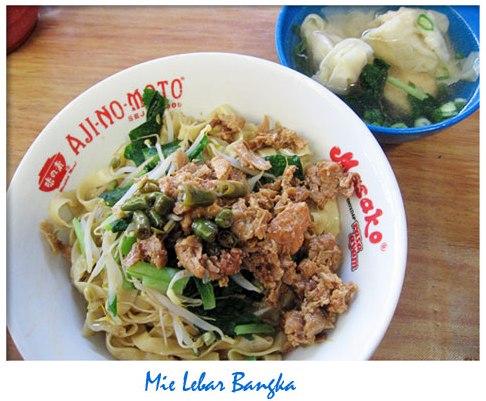 Bakmi Bangka 39 Posted by jenz on 8:22 PM, source: JENZcorner Craved for "Mie lebar ala Bangka", Last Friday I decided to walk to my favorite "Bakmi Bangka" located at the back of Wisma GKBI. Usually this place was so crowded at lunch time we have to wait to get a seat, but today we can managed to find a seat quite easily. so I ordered : "Mie Lebar Pangsit" 7K and a bottle of fresh tea. Besides Mie Lebar, they also served : mie/kwetiaw/bihun ayam with pangsit or baso or both (price range from 7K- 9K), tahu kok, pangsit kuah, baso kuah @7K. The noodle came with a separate bowl of soup filled with chicken wonton. The noodle was topped with green vegetable, bean sprout plus a generous portion of minced chicken meat. And I was glad to find that it was still as delicious as I remember :) Bakmi Bangka 39 |
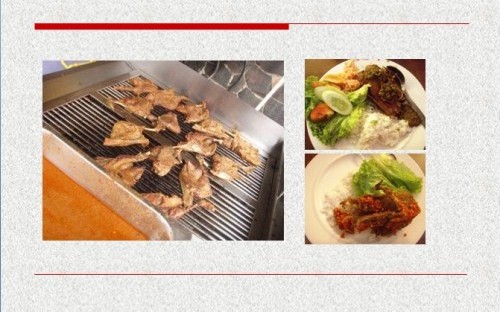 Restoran Bebek Ginyo Tebet Bebek Ginyo Tebet : Jl. Tebet Utara Dalam No 12 Jakarta SelatanReserve or Delivery Order Phone : 021.829.2343 Bebek Kremes, Sambal Hijau, Balado, Bakar, Goreng Cendol, Es Kolang Kaling |
 DeJons Burger & Torry Coffee Jalan Tebet Utara Dalam No. 2A, Jakarta Selatan, DKI Jakarta 12820, Phone +62 21 83792042 |
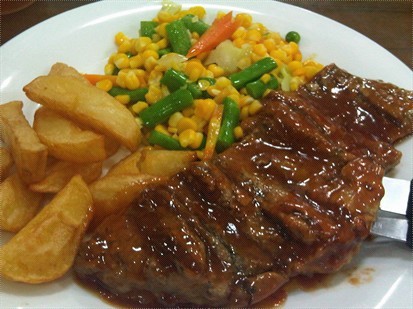 Abuba Steak Tebet Jalan Tebet Barat Dalam Raya No. 50, Jakarta Selatan, DKI Jakarta 12810, Phone +62 21 83793184 Abuba Steak, Steak Nikmat Harga Merakyat Contact |
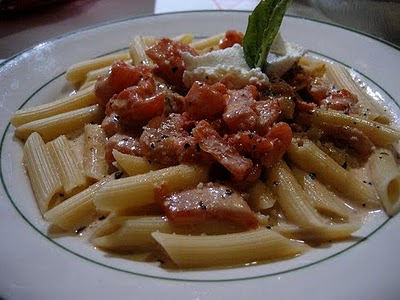 Chianti Classico Bistro Restaurant Jalan Mega Kuningan Lot 5-1 Jakarta 12950, Tel 5761601 Open Hours 9a-9p M-Sa. A smart cafe with wrap-around floor-to-ceiling windows, lots of greenery and an outdoor terrace. For starters, try Curried Snails or Mussels served with garlic bread. Then choose from a wide selection of pasta, chicken, meat (local and Australian) and seafood. The Pan-Fried Sole comes with potatoes and a delicate Ratatouille. For dessert, try the extra-light Strawberry Cheesecake. A range of soft drinks, beer, a few wines and real espresso are available to complement your meal. Yahoo Review. |
 Dari obrolan iseng tentang hobby makan pedes, kami coba meramu berbagai resep yang insa alloh bisa memuaskan mereka yang suka tantangan makan pedes. 29 Januari 2010 Rumah Sambel dibuka untuk pertama kalinya di Jl. Asem Baris Raya 126, Kebon Baru, Tebet. Sempet vakum di akhir taun 2010 karena ada kesibukan lain, pertengahan Februari 2011 Rumah Sambel kembali buka dengan tambahan menu-menu baru. Berani coba tantangan pedesnya Rumah Sambel? Datengin tempatnya, trus jawab tantangannya! Peringatan: Hanya Untuk Orang Yang Berani Kepedesan! Website: http://rumahsambel.wordpress.com/ Peta Lokasi http://rumahsambel.wordpress.com/lokasi/ |
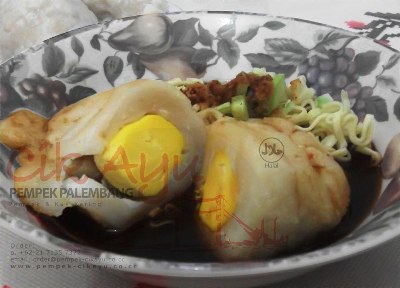 Pempek Palembang CIK AYU adalah sarana belanja pempek palembang, tekwan, aneka kue-kue kering dan kue basah khas palembang secara Online. Disini Anda dapat berbelanja berbagai jenis pempek, tekwan, pastel maupun kue-kue kering dan kue basah khas palembang. Kami menyediakan berbagai jenis pempek seperti: Pempek Kapal Selem, Pempek Lenjer, Pempek Lenggang dan pempek-pempek lainnya. Kami juga menyediakan Tekwan baik tekwan yang terbuat dari ikan maupun tekwan yang terbuat dari udang. http://www.pempek-cikayu.com/ Pesanan dapat juga dilakukan melalui telpon, SMS, Email dan Chatting YM ataupun melalui Halaman Order Online pada situs ini. |
Tebet Business Directory Alamat Usaha Kita
|
Free Posting IKLAN GRATIS,
kirim nama, alamat, telephone, email id, website dan keterangan singkat
usaha anda ke AdminTebetbarat.com
|
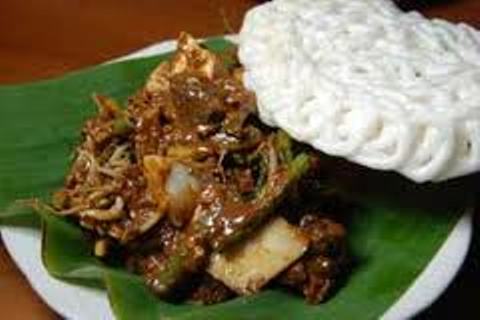 |
Rujak Cingur Recipe Ingredients: 50 grams of spinach that had been cleaned50 grams of bean sprouts 75 grams of winged bean (halved lengthwise) 75 grams cucumber 100 grams of yam 50 grams of young mango 75 gram of fried tempeh 100 grams of fried tofu 250 grams cingur (nasal cartilage cow), boiled. Seasonings of Rujak: 6-9 pieces chili pepper or to taste Boil water spinach, bean sprouts and winged bean until cooked, remove
from heat. |
Silahkan
Pilih: Masakan Padang, Sunda&Jawa | Catering | Mie&Ba'so | Soto | NasiUduk | BuburAyam | Burger | Steak | CoffeeShop&Cafe | Pizza&Pasta |
|
Free Posting IKLAN GRATIS, send your name, address, telephone, email id, website and brief description of your business to AdminTebetbarat.com
|
More information about www.TB512.com Click HERE.
|
WIKIPEDIA
|
Peranakan From Wikipedia, the free encyclopedia Peranakan and Baba-Nyonya are terms used for the descendants of late 18th Century Chinese immigrants to the Nusantara region during the Colonial era, especially the British Straits Settlements of Malaya and the Dutch-controlled island of Java and other locations, who have adopted partially or in full Malay customs in a (chronological adaptation) to be somewhat assimilated into the local communities. While the term Peranakan is most commonly used among the ethnic Chinese for those of Chinese descent also known as Straits Chinese (????; named after the Straits Settlements), there are also other, comparatively small so-called Peranakan communities, such as Indian Hindu Peranakans (Chitty), Indian Muslim Peranakans (Jawi Pekan)(Jawi being the Javanised Arabic script[1]., Pekan a colloquial contraction of Peranakan.) and Eurasian Peranakans (Kristang.) (Kirstang= Christians). Terminology In both Malay and Indonesian, 'Peranakan' is defined as 'descendant' with no connotation of the ethnicity of decent unless followed by a subsequent qualifying noun, such as for example Cina (Chinese), Belanda(Dutch) or Jepang (Japanese). Peranakan has the implied connotation of referring to the ancestry of great-grandparents or more distant ancestors. [Baba|Baba_(honorific]] is a Persian loan-word borrowed by Malaysian as an honorific solely for grandparents- co-opted to refer to the Straits-Chinese males. The term originated from Hindustani speakers such as vendors and traders and become part of common vulgar vernacular. Female descendants were either called or styled themselves Nyonyas. The word nyonya (also commonly misspelled nonya) is a Javanese loan honorific word from Dutch Nona(grandma) meaning: foreign married Madam. The term for Straits-Chinese addressed as nyonya originated as Javanese at the time had a tendency to address all foreign women (and perhaps those who appeared foreign) as nyonya. Straits-Chinese are defined as those born or living in the Straits Settlements- a British colonial construct of Penang, Meleka and Singapore constituted in 1826. Straits-Chinese were not considered Baba Nyonya unless they displayed certain Sino-Malay syncretic attributes. Ancestry Language In Indonesia, young peranakans can still speak their creole language,
its use is limited to informal occasions, young Peranakans occasionally
add up new words (and lose some words) for their own slang. Normally
there is a gap of words between old Peranakans and young Peranakans. Culture In Indonesia, the Peranakans develop their own Kebaya, most notably 'kebaya encim', and developed their own batik patterns, which incorporate symbols from China. Religion Food
Marriage Museums Current Status
|
Restaurant A restaurant is a retail establishment that serves prepared food to customers. Service is generally for eating on premises, though the term has been used to describe take-out establishments and food delivery services. The term covers many types of venues and a diversity of styles of cuisine and service. A restaurant owner is called a restaurateur; both words derive from the French verb restaurer, meaning to restore
|
Catering Catering is the business of providing foodservice at a remote site.
|
Rendang Rendang is a dish which originated from the Minangkabau ethnic group of Indonesia, and is now commonly served across the country. One of the characteristic foods of Minangkabau culture, it is served at ceremonial occasions and to honour guests. Also popular in Malaysia and Singapore, rendang is traditionally prepared by the Malay community during festive occasions. Though rendang is sometimes described as being like a curry, and the name is sometimes applied to curried meat dishes in Malaysia, authentic rendang is nothing like a curry. Rendang is made from beef (or occasionally chicken, mutton, water buffalo, duck, or vegetables like jackfruit or cassava) slowly cooked in coconut milk and spices for several hours until almost all the liquid is gone, allowing the meat to absorb the spicy condiments. The cooking process changes from boiling to frying as the liquid evaporates. The slow cooking process allows the meat to absorb all the spices and to become tender. The spices may include ginger, galangal, turmeric leaf, lemon grass and chillies. Chicken or duck rendang also contains tamarind and is usually not cooked for as long as beef rendang. There are two kinds of rendang: dried and wet. Dried rendang can be kept for 3–4 months, and it is for ceremonial occasions or to honour guests. Wet rendang, also known as kalio, can be found in Minangkabau restaurants, and without refrigeration, it should be consumed within a month. Rendang is often served with rice in Indonesia, but in Malaysia it is also served with ketupat (a compressed rice cake) and lemang (glutinous rice barbecued in bamboo tubes).
|
Hamburger A hamburger (or burger) is a sandwich consisting of a cooked ground meat patty, usually beef, placed in a sliced bun or between pieces of bread or toast. Hamburgers are often served with various condiments, such as ketchup, mustard, mayonnaise, lettuce, tomato, onion, relish, pickles, and cheese. A cheeseburger is a hamburger with cheese in addition to the meat. In 1924, Lionel Sternberger is considered to have grilled the first cheeseburger in Pasadena, California. When Sternberger died in 1964, Time magazine noted in its February 7 issue that: "...at the hungry age of 16, [Sternberger] experimentally dropped a slab of American cheese on a sizzling hamburger while helping out at his father's sandwich shop in Pasadena, thereby inventing the cheeseburger..."
|
Steak A steak (from Old Norse steik, "roast") is a slice of meat, typically beef. Most steaks are cut perpendicular to the muscle fibres, improving the perceived tenderness of the meat. In North America, steaks are typically served grilled, though they are also often pan-fried. The more tender cuts from the loin and rib are cooked quickly, using dry heat, and served whole. Less tender cuts from the chuck or round are cooked with moist heat or are mechanically tenderized. The more tender steaks have a premium price and perception; the idea of eating steak signifies relative wealth. For people from Asia, steak is regarded as one of the quintessential dishes of Western cuisine. A restaurant that specializes in beef steaks is known as a steakhouse. In the United States, a typical steak dinner consists of a steak, with a starchy side dish, usually baked potatoes, but occasionally another potato dish, rice, pasta, or beans. A small serving of cooked vegetables accompanies the meat and side, with green beans, creamed spinach, asparagus, tomatoes, mushrooms, peas and onion rings being popular. A well-known accompaniment to steak is shrimp or a cooked lobster tail, a combination often called "surf and turf" or "reef and beef". Special steak knives are provided along with steak; steak knives are sharper than most table knives and are usually serrated. Prepared condiments known as steak sauces are generally on the table in steakhouses. Tenderized round or sirloin steaks, breaded, and pan-fried or deep-fried, are called chicken fried or country fried steaks, respectively. Thinly sliced ribeye or other tender cuts, cooked on a hot griddle and shredded slightly, and served on Italian style rolls are called Philly steaks, after the city in which they became famous. In France, beef steak is usually served with French fried potatoes also known as "pommes frites", and the combination is known as "steak-frites". Vegetables are not normally served with steak in this manner, but a green salad may follow. In the United Kingdom they are also served with French fried potatoes although they are often thicker than the French variety and the combination is called Steak and Chips. Peas, half a tomato or a fried onion ring often feature on the plate too. In Italy, steak was not widely eaten until post-WWII due to the relative ruggedness of the countryside inhibiting the space- and resource-consuming raising of great bovine herds, but some zones of Piedmont and Tuscany were still renowned for their beef. Bistecca alla fiorentina is a well-known specialty of Florence; it is typically served with just a salad or Tuscan beans. From the 1960s onward the so called "economic boom" allowed more and more Italians to switch to a red meat-heavy diet.
|
Noodle A noodle is food made from unleavened dough that is cooked in a boiling liquid. Depending upon the type, noodles may be dried or refrigerated before cooking. The word noodle derives from the German Nudel (noodle) and may be related to the Latin word nodus (knot). In English, noodle is a generic term for unleavened dough made from many different types of ingredients. Noodles exist in an abundance of shapes. The first written account of noodles is from the East Han Dynasty between AD 25 and 220. In October 2005, the oldest noodles yet discovered were found at the Lajia site (Qijia culture) along the Yellow River in Qinghai, China. The 4,000-year-old noodles appear to have been made from foxtail millet and broomcorn millet.
|
A meatball is a generally mass of ground meat that is typically rolled meat comprised of rolled ground beef and other ingredients, such as bread or breadcrumbs, minced onion, various spices, and possibly eggs, cooked by frying, baking, steaming, or braising in sauce. There are many kinds of meatball recipes using different kinds of meats and spices. While some meatballs are mostly made of meat and ingredients to cement the ball, others may include other ingredients. How one makes meatballs depends as much on one's cultural background as on individual taste. There are even "meatless" meatballs to satisfy vegetarian palates. From the Balkans to India, there is a large variety of meatballs in the kofta family. The ancient Roman cookbook Apicius included many meatball-type recipes. In Indonesia, meatballs are called 'bakso' which are
usually served in a bowl, like soup, with noodles, beancurds (tofu),
eggs, 'siomay', and/or fried meat. Soup is a food that is made by combining ingredients such as meat and vegetables in stock or hot/boiling water, until the flavor is extracted, forming a broth. Traditionally, soups are classified into two broad groups: clear soups and thick soups. The established French classifications of clear soups are bouillon and consommé. Thick soups are classified depending upon the type of thickening agent used: purées are vegetable soups thickened with starch; bisques are made from puréed shellfish thickened with cream; cream soups are thickened with béchamel sauce; and veloutés are thickened with eggs, butter and cream. Other ingredients commonly used to thicken soups and broths include rice, flour, and grain. One of the first types of soups can be dated to about 6000 BC.[1] Boiling was not a common cooking technique until the invention of waterproof containers (which probably came in the form of pouches made of clay or animal skin) about 9,000 years ago. Pasta Pasta (Italian for "dough") is a generic term for Italian variants of noodles, food made from a dough of flour, water and/or eggs, that is boiled. The word can also denote dishes in which pasta products are the primary ingredient, served with sauce or seasonings. There are approximately 350 different shapes of pasta. A few examples include spaghetti (solid, thin cylinders), maccheroni (tubes or hollow cylinders), fusilli (swirls), and lasagne (sheets). Two other noodles, gnocchi and spätzle, are sometimes counted as pasta because they are traditional in Italy; however, their "native" distributions (and perhaps their origins) are outside Italy, and these noodles have more in common with dumplings than with typical pasta. The two basic styles of pasta are dried and fresh. There are also variations in the ingredients used in pasta. The time for which pasta can be stored varies from days to years depending upon whether the pasta is made with egg or not, and whether it is dried or fresh. Pasta is boiled before consumption. About.com: Maria's Italian Meatballs From Maria: * 1 lb lean ground beef Preparation: Shape meatballs to desired size and place on a broiler pan (I wet my
hands before shaping each meatball and it helps make a nice meatball.)
Broil until outside is slightly brown on one side and then turn and broil
the other side. When finished, add to spaghetti sauce and simmer at least
20 minutes. |
Salmon
Typically, salmon are anadromous: they are born in fresh water, migrate
to the ocean, then return to fresh water to reproduce. However, there are
rare species that can only survive in fresh water habitats. Folklore has
it that the fish return to the exact spot where they were born to spawn;
tracking studies have shown this to be true but the nature of how this
memory works has long been debated. In order to lay her roe, the female salmon uses her tail (caudal fin), to create a low pressure zone, lifting gravel to be swept downstream, excavating a shallow depression, called a redd. The redd may sometimes contain 5,000 eggs covering 30 square feet (2.8 m2).[1] The eggs usually range from orange to red in color. One or more males will approach the female in her redd, depositing his sperm, or milt, over the roe.[2] The female then covers the eggs by disturbing the gravel at the upstream edge of the depression before moving on to make another redd. The female will make as many as 7 redds before her supply of eggs is exhausted. The salmon will then die within a few days of spawning.[2] The eggs will hatch into alevin or sac fry. The fry quickly develop into parr with camouflaging vertical stripes. The parr stay for one to three years in their natal stream before becoming smolts which are distinguished by their bright silvery colour with scales that are easily rubbed off. It is estimated that only 10% of all salmon eggs survive long enough to reach this stage.[3] The smolt body chemistry changes, allowing them to live in salt water. Smolts spend a portion of their out-migration time in brackish water, where their body chemistry becomes accustomed to osmoregulation in the ocean. The salmon spend about one to five years (depending on the species) in the open ocean where they will become sexually mature. The adult salmon returns primarily to its natal stream to spawn. When fish return for the first time they are called whitling in the UK and grilse or peel in Ireland. Prior to spawning, depending on the species, the salmon undergoes changes. They may grow a hump, develop canine teeth, develop a kype (a pronounced curvature of the jaws in male salmon). All will change from the silvery blue of a fresh run fish from the sea to a darker color. Condition tends to deteriorate the longer the fish remain in freshwater, and they then deteriorate further after they spawn becoming known as kelts. Salmon can make amazing journeys, sometimes moving hundreds of miles upstream against strong currents and rapids to reproduce. Chinook and sockeye salmon from central Idaho, for example, travel over 900 miles (1,400 km) and climb nearly 7,000 feet (2,100 m) from the Pacific ocean as they return to spawn. Each year, the fish experiences a period of rapid growth, often in summer, and one of slower growth, normally in winter. This results in rings (annuli) analogous to the growth rings visible in a tree trunk. Freshwater growth shows as densely crowded rings, sea growth as widely spaced rings; spawning is marked by significant erosion as body mass is converted into eggs and milt. Freshwater streams and estuaries provide important habitat for many salmon
species. They feed on terrestrial and aquatic insects, amphipods, and other
crustaceans while young, and primarily on other fish when older. Eggs are
laid in deeper water with larger gravel, and need cool water and good water
flow (to supply oxygen) to the developing embryos. Mortality of salmon
in the early life stages is usually high due to natural predation and human
induced changes in habitat, such as siltation, high water temperatures,
low oxygen conditions, loss of stream cover, and reductions in river flow.
Estuaries and their associations wetlands provide vital nursery areas for
the salmon prior to their departure to the open ocean. Wetlands not only
help buffer the estuary from silt and pollutants, but also provide important
feeding and hiding areas. Salmon flesh is generally orange to red in colour, although there are some examples of white fleshed wild salmon. The natural colour of salmon results from carotenoid pigments, largely astaxanthin but also canthaxanthin, in the flesh.[13] Wild salmon get these carotenoids from eating krill and other tiny shellfish. Because consumers have shown a reluctance to purchase white-fleshed salmon, astaxanthin (E161j), and very minutely canthaxanthin (E161g), are added as artificial colorants to the feed of farmed salmon, because prepared diets do not naturally contain these pigments. In most cases, the astaxanthin is made chemically; alternatively it is extracted from shrimp flour. Another possibility is the use of dried red yeast, which provides the same pigment. However, synthetic mixtures are the least expensive option. Astaxanthin is a potent antioxidant that stimulates the development of healthy fish nervous systems and enhances the fish's fertility and growth rate. Research has revealed canthaxanthin may have negative effects on the human eye, accumulating in the retina at high levels of consumption.[13] Today, the concentration of carotenoids (mainly canthaxanthin and astaxanthin) exceeds 8 mg/kg of flesh, and all fish producers try to reach a level that represents a value of 16 on the "Roche Color Card", a colour card used to show how pink the fish will appear at specific doses. This scale is specific for measuring the pink colour due to astaxanthin and is not for the orange hue obtained with canthaxanthin. The development of processing and storage operations, which can be detrimental on canthaxanthin flesh concentration, has led to an increased quantity of pigments added to the diet to compensate for the degrading effects of the processing. In wild fish, carotenoid levels of up to 25 mg are present, but levels of canthaxanthin are, in contrast, minor.[13] Canned salmon in the U.S. is usually wild Pacific catch, though some farmed salmon is available in canned form. Smoked salmon is another popular preparation method, and can either be hot or cold smoked. Lox can refer either to cold smoked salmon or to salmon cured in a brine solution (also called gravlax). Traditional canned salmon includes some skin (which is harmless) and bone (which adds calcium). Skinless and boneless canned salmon is also available. Raw salmon flesh may contain Anisakis nematodes, marine parasites that cause Anisakiasis. Before the availability of refrigeration, the Japanese did not consume raw salmon. Salmon and salmon roe have only recently come into use in making sashimi (raw fish) and sushi.
|
ROSE GARDEN Townhouse, designed
especially for young and energetic family.
Rose Garden 1 Townhouse
(please click) Rose Garden 2 Townhouse
(please click) Rose Garden 3 Townhouse Rose
Garden Rose Garden by University of Illinois and White House Rose Garden by WIKIPEDIA. Roses have a long and colorful history. They have
been symbols of love, beauty, war, and politics. The rose is, according
to fossil evidence, 35 million years old. In nature, the genus Rosa has
some 150 species spread throughout the Northern Hemisphere, from http://www.urbanext.uiuc.edu/roses/history.html Townhouse Historically in the An architectural type of construction; a row house
on a small lot that has exterior limits common to other similar units;
title to the unit and its lot is vested in the individual owner with
a fractional interest in common areas, if any. www.hartlandfinancial.com/glossary.htm |